
你有没有关起门来问过你的阿里运营一个没人敢公开问的问题:”为什么同一个产品,独立站上来的询盘质量就是比直通车的询盘高两个档次?” 我上一次吃大亏是在一个五金件订单上,预付了 5 万美元,收到的货跟确认样差了整整两个质量等级——不是外观瑕疵,是抗腐蚀性能没达标。买家拒付尾款,货压在洛杉矶仓库,FOB 价格里根本没算这笔政治账。那时候我才真正拆解流量来源的账:平台给不了你真正的买家质量数据,它只卖给你”出价高者得”的点击,而绝大多数具备真实采购决策权的买手,压根不在那个池塘里。独立站 SEO 对比直通车,不只是流量的多与少,而是你愿不愿意从给别人交摊位费,转成给自己修一条能持续出水的深井。.
B2B 买家的搜索行为比我们想的要诚实得多。做预算调研、比较供应商、评估样品通过率的时候,他们不会在阿里类目里大海捞针,而是直接在 Google 上搜产品词加”manufacturer”或”quality tolerance”。可如果你没有独立站,这些意图最精准的长尾搜索流量就全流进了竞争对手的口袋,你只能在平台这个存量市场里跟同行拼直通车的单次点击价,拼到连 G&A 成本都盖不住。我在 12 个国家做过供应商审计,亲手验过几百条产线的产能和质量体系,可以很确定地说:样品确认只是第一关,真正拉开转化差距的是你的网站在搜索结果里能截获多少带着明确采购意图的人。.
说到这里,其实就剩三个决策问题,你可以现在就拿去问你自己的团队或者代运营方:第一,你们的直通车里能否提供独立站自然流量才能抓到的”buyer intent”关键词数据?第二,你们的独立站 SEO 方案里有没有包含页面级别的质量背书内容——比如实拍产线视频和生产批次一致性说明——来支撑质量承诺和最终封样?第三,你们的预算分配逻辑里,有没有一个明确的节点标准,一旦某个产品线的 SEO 流量进入稳定期,就减少 P4P 投放比例、把节省下来的预算继续投进内容壁垒?这三个问题的答案,比你花半天看后台点击数据,更能帮你判断下一年该把钱砸在哪里。.
流量池的真相:80%采购商在谷歌系
Buyers don’t live on B2B platforms—they visit to compare prices after they’ve already searched on Google.
Walk into any trade show conversation about ‘where to find buyers’ and someone will swear by their B2B platform subscription. The dashboard shows visitor counts, inquiry numbers, all wrapped in neat charts. The problem is what the dashboard doesn’t show—the 80% of your potential buyers who never landed on that platform in the first place. Google’s ecosystem—Search, YouTube, Images—is where purchasing decisions actually start. A procurement manager at a mid-sized German machinery distributor doesn’t wake up and browse Alibaba. They type ‘CNC milling parts supplier tolerance ±0.005mm’ into Google. If your company doesn’t exist in those results, it doesn’t exist in that conversation.
Here’s what 12 years of tracking buyer behavior across continents taught me: B2B platforms are closing-time arenas, not discovery engines. The platform monetizes the same 15-20% sliver of global B2B traffic by auctioning visibility back to sellers. The platform wins. The seller who bid highest might win a click. Whether the buyer gets a qualified supplier—that’s secondary to the platform’s revenue model.
- Platform Ceiling: When 200 suppliers bid on the same keyword (‘stainless steel flange’), the only variable left is price. Click costs rise annually, but the pool of buyers within the platform does not expand proportionally.
- Internal Cannibalization: B2B platforms incentivize sellers to compete against each other rather than build buyer relationships. A repeat buyer’s second inquiry still costs the same P4P click fee—zero loyalty dividend.
- Data Lock-In: The platform owns visitor behavior data. You can’t retarget visitors, analyze their on-platform journey, or build a lookalike audience—the crown jewels of modern marketing sit in someone else’s vault.
An independent website flips this model. The site sits on your domain, governed by search algorithms you can study and optimize against, not by a platform’s profit-per-click calculator. One properly optimized service page for ‘hydraulic cylinder manufacturer’ can pull consistent qualified traffic for 3–5 years without incremental ad spend. That traffic comes from three compounding channels: organic search (ranking for long-tail buyer queries), social proof (LinkedIn shares, YouTube product demos linking back to your site), and direct navigation (buyers who bookmark and return). Each reinforces the others.
The 80% number isn’t marketing hyperbole. It’s the structural reality of how Google’s search index dwarfs any single B2B platform’s user base by orders of magnitude. More importantly, the intent behind a Google search is qualitatively different. On a platform, a buyer is comparison-shopping—they’re looking for the lowest FOB price among 50 similar listings. On Google, a buyer searching ‘how to qualify a surgical instrument OEM’ is in evaluation mode. They’re looking for expertise, certifications, factory audit capability. That inquiry converts at 3–5x the rate of a platform RFQ.
YouTube adds another layer most exporters ignore. An 8-minute factory floor walkthrough video, properly titled and tagged, keeps ranking for years. India’s medical device procurement officers certainly search YouTube before contacting suppliers. The video lives on your channel, links back to your independent site, and costs nothing per view after production. Compare that to paying $8–15 per click on a platform where the same buyer sees five competing listings directly below yours. The math deteriorates fast under those conditions.
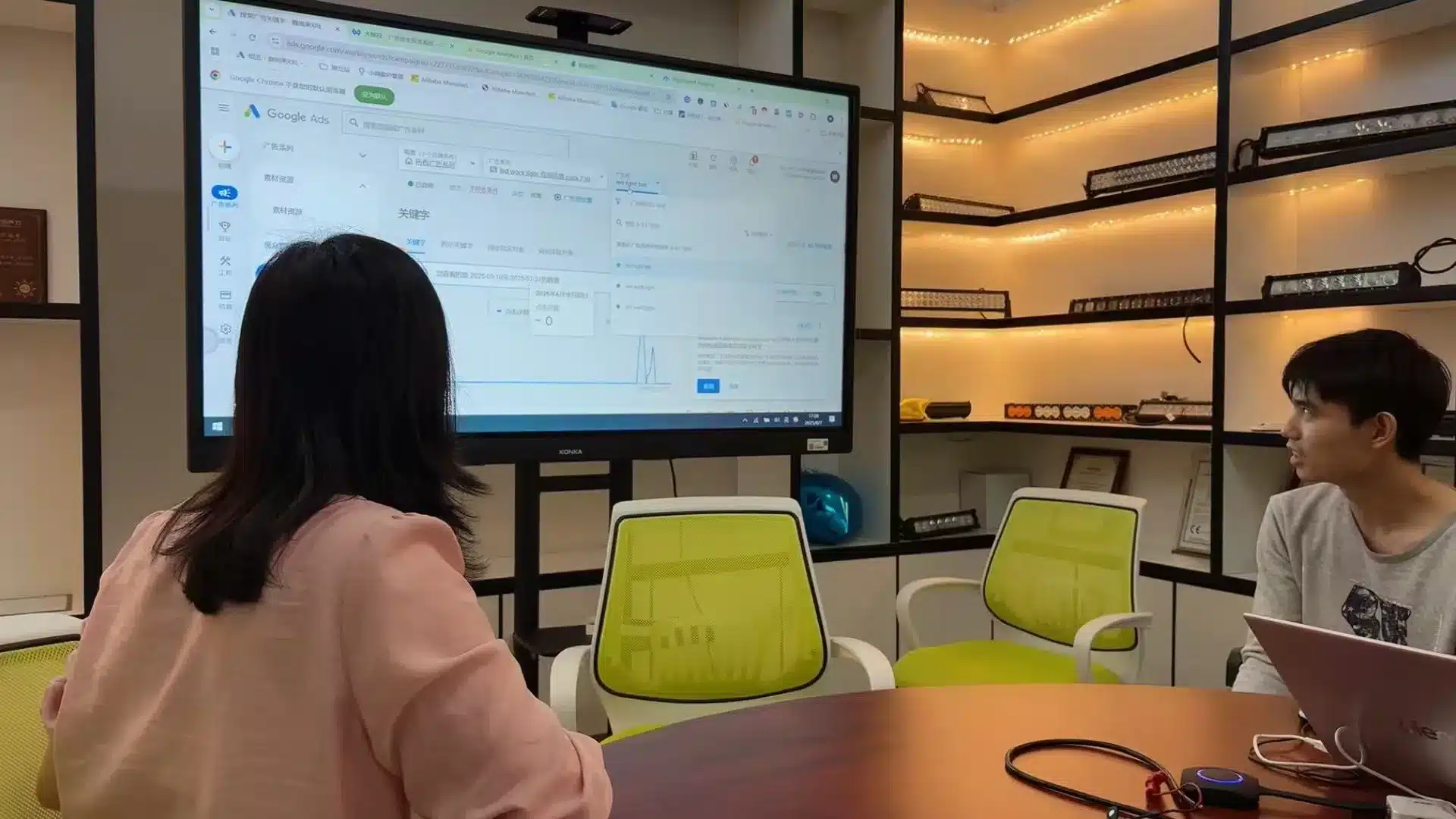
单次点击成本对比与长期价值
P4P clicks inflate 12-18% annually — SEO is your hedge against a bidding war you can’t win.
Let’s talk real numbers. In 2026, a single Alibaba P4P click for a competitive B2B keyword — think ‘CNC machining parts’ or ‘stainless steel valve’ — routinely costs $3.80 to $7.20. Five years ago that same click was $1.50 to $2.80. The auction model is a zero-sum game: every new supplier entering the platform bids the same pool of ‘buyer intent’ keywords higher, and the platform has zero incentive to stop it.
Worse, the click volume you buy is trapped inside a walled garden. The moment you pause your P4P campaign, your traffic flatlines. You’re not building an asset; you’re renting eyeballs from a landlord who raises the rent every quarter. This is the fundamental cost structure problem that makes P4P an operating expense that only moves in one direction — up.
- P4P Cost Trap: Unchecked keyword inflation erodes margin. A $50K annual P4P budget that delivered 18,000 clicks in 2026 might deliver under 10,000 clicks in 2026 for the same spend, simply because CPC doubled.
- SEO Investment Profile: A properly executed independent site SEO campaign requires 4-6 months of upfront content, technical optimization, and authority building. After ranking stabilizes, organic clicks have a marginal cost near zero.
Let’s model a 3-year horizon. Client A spends $60K/year on P4P, buying roughly 10,000 clicks annually with a steady 1.5% inquiry conversion rate — about 150 leads. By year 3, due to CPC creep, they’re paying $90K for the same volume. Client B invests $75K upfront in a WordPress-based independent site with deep SEO architecture and high-intent content, then $30K/year for maintenance and escalation. Year 1 organic traffic is modest — maybe 40 leads. Year 2: 110 leads. Year 3: 180 leads. The cumulative leads favor Client B by year 3, and the cost per lead drops below $35, while Client A’s P4P lead cost hovers near $90.
And here’s what most P4P-only sellers miss: organic traffic doesn’t disappear when you sleep. A well-ranked product category page will bring in qualified buyers from 4 AM searches in Hamburg while your P4P budget is capped or paused. That’s the power of passive discovery, and it’s precisely why 80% of overseas commercial traffic originates on Google-owned properties rather than within B2B marketplaces.
The real ‘aha’ moment comes when you realize SEO isn’t a line item you optimize for cost-per-click — you optimize for cost-per-acquisition over the lifetime of the asset. A decision-maker evaluating a factory’s capabilities reads 3-4 pages before sending an inquiry. If those pages are organic, you pay nothing for that investigation. If they’re P4P clicks, you pay every time.
Conclusion
Before committing your next quarterly budget, run this 3-point supplier check. It separates a genuine traffic partner from a reseller of rented attention.
1. Do I own the tracking pixels and the full remarketing list, or are they locked inside a platform dashboard? 2. What is the 12-month CPC trend for our primary product category — and can you show me a projected break-even without assuming a 20% annual budget increase? 3. If I pause service for 60 days, does my organic traffic sustain or collapse?
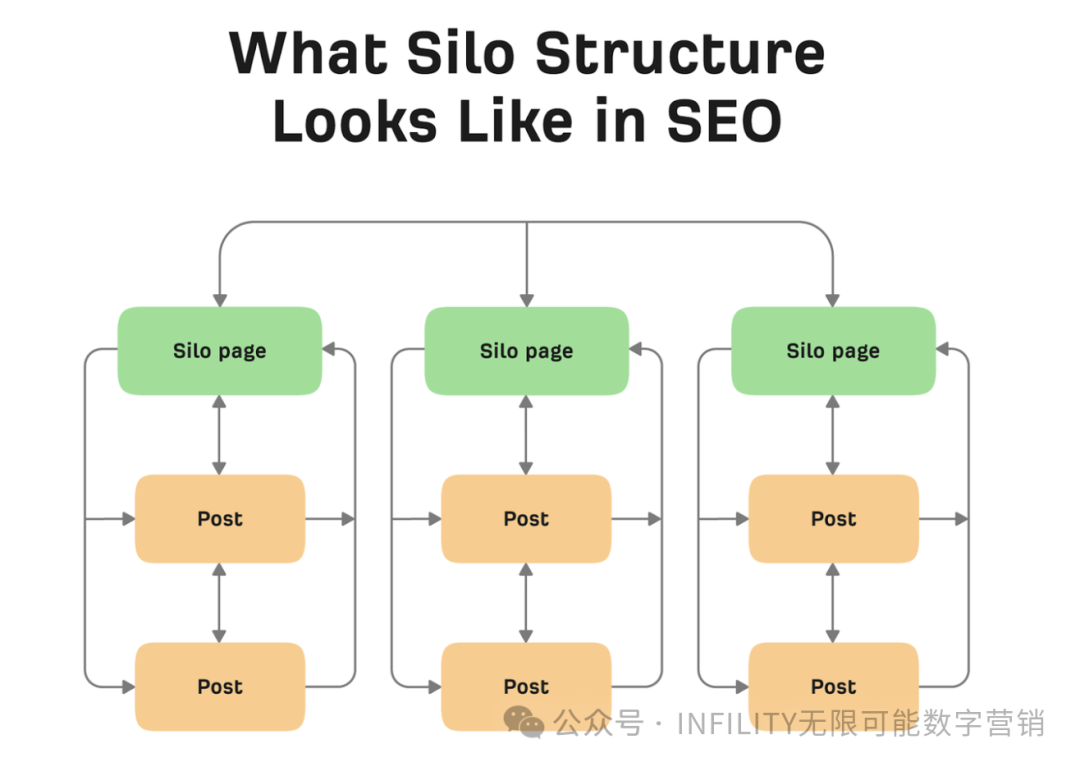
If your current supplier hesitates on any of these, the traffic pool you’re buying into is probably smaller than advertised. An independent site optimized for SEO builds equity in your own domain — a moat that doesn’t drain your cash flow when B2B platform costs climb. Infility helps manufacturers and traders shift from bidding wars on closed platforms to capturing real buyer intent on Google. We build SEO structures that cut your cost-per-lead below $5 for mature products and keep you visible even when the ad budget sleeps.
Frequently Asked Questions
Is SEO traffic really higher quality than P4P?
Yes, SEO visitors often show stronger purchase intent because they arrive via proactive problem-solving searches, not price comparison. P4P users frequently browse multiple suppliers simultaneously, which dilutes conversion. Assess lead quality by tracking ‘request for quotation’ rate per channel, not just volume.
Which costs less long-term: SEO or P4P?
SEO’s cost-per-lead typically drops after 6–9 months, while P4P click costs inflate 12–18% each year. The break-even point depends on your content velocity and how well you defend rankings. Model a 12-month blended budget to see true cost-per-acquisition before committing.
How soon can I expect SEO to replace P4P spend?
Expect 6–12 months before SEO consistently brings in commercial leads you’d otherwise buy via P4P. The timeline compresses if you already own a technically sound WordPress site and pair it. Use paid search for speed, then shift budget as organic rankings stabilize.
Why do Alibaba P4P clicks keep getting more expensive?
Escalating costs come from overcrowded categories and competitors bidding up the same limited ad slots. As more sellers join, the auction dynamics inflate prices without improving lead intent. Protect margins by building an owned channel that isn’t subject to auction inflation.
When should I use both SEO and P4P together?
Use P4P for new product launches and seasonal spikes, then shift to SEO for mature, repeat-purchase items. The combo works best when ad data informs your organic keyword strategy and vice. Map each product’s lifecycle stage to decide its primary traffic source.